


全球自由贸易网广西讯(记者 盛元元)6月,2026年海外华文媒体广西行走进广西贺州市。来自全球的多家华文媒体齐聚广西,深入探访这片沿边沿海的开放热土。作为本次活动的受邀参与媒体,华人头条安徽随团深度走访,观察广西从历史深处走来的融合品格,解码其在新时代对外开放与民族共生中的样本价值,切身感受广西“融”的魅力与智慧。
向海而兴的开放格局,孕育“融”的文化根脉
广西的“融”,首先是地理格局上的天然禀赋。翻开中国地图,广西雄踞南方,背靠大西南腹地,面朝北部湾碧波,是中国唯一兼具沿海、沿边优势的少数民族自治区。这片拥有1020公里的陆地边境线、1595公里海岸线、8个边境口岸的土地,是西部陆海新通道的南端起点,是我国面向东盟开放合作的“桥头堡”。地理上的“融”,让广西成为内联外通、双向奔赴的重要枢纽。
如果说地理是骨架,文化便是血脉,这份开放格局,最终沉淀为八桂文化的核心特质。广西是中国少数民族人口最多的省份,壮、汉、瑶、苗、侗等12个世居民族在此繁衍生息。各民族文化交织碰撞,形成了“和而不同、多元共生” 的文化生态;向外,作为中国面向东盟开放合作的前沿窗口,千年商贸往来与文明互鉴绵延不绝,广西始终以开放包容的姿态,成为中国与东盟文化双向交融的重要门户。
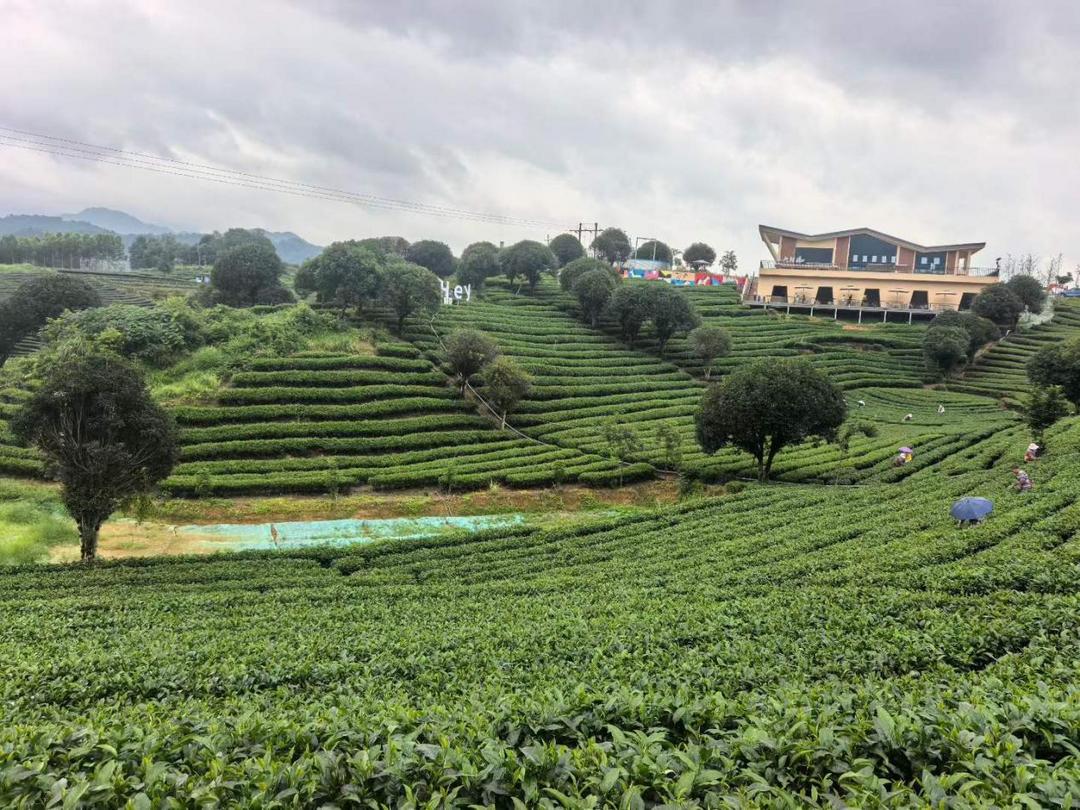
千年文庙见证多元互嵌,书写“融”的文化传承
本次媒体行的主要探访地点是广西贺州。地处三省通衢的贺州,正是八桂融合特质的微观缩影。始建于北宋元祐年间的贺州文庙,已历经九百余年风雨。作为中原儒家文化传入岭南的重要文化地标,贺州文庙并非单向的文化传播载体,更是中原礼制与本土民俗互嵌共生的历史见证。
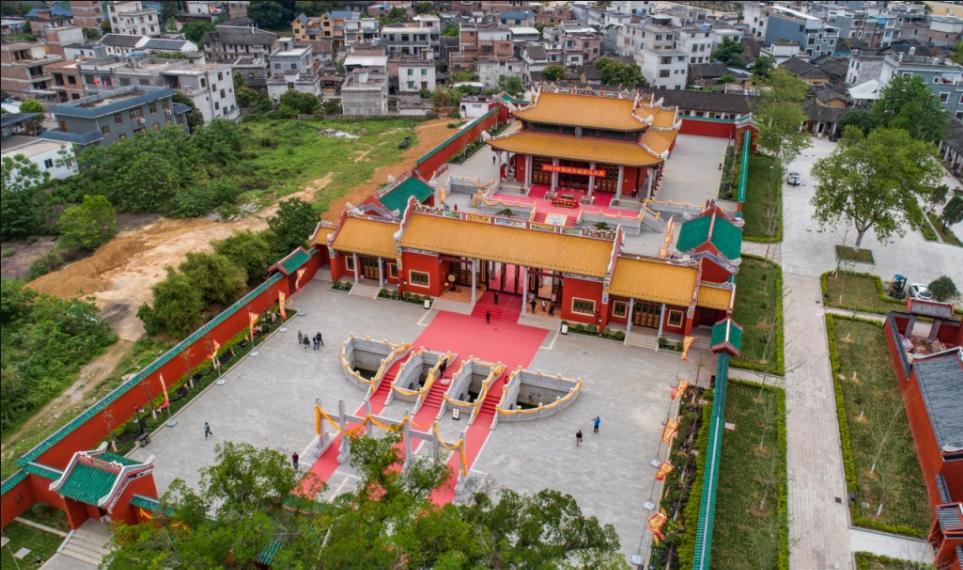
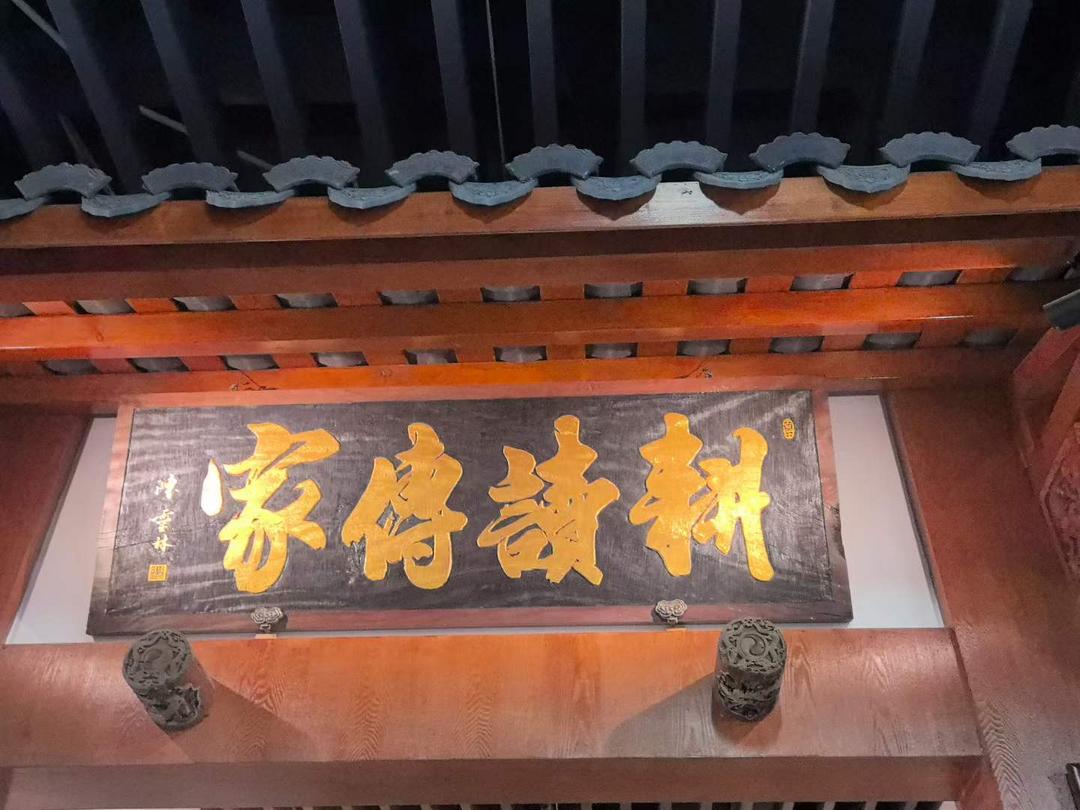
崇文重教的儒家传统在此落地生根,与南迁而来的客家文化、世代聚居的壮瑶民俗相互浸润、彼此成就。儒家的礼制秩序、客家的耕读传家、壮瑶的质朴风情,在这座古城里没有相互消解,反而共同构筑了贺州厚重的文化基底。此次媒体行还来到了贺州民族文化博物馆,作为广西高校第一家国有综合性博物馆,其中藏有各类民族文化实物4万多件,从民族服饰、契约文书到牌匾木雕,一件件展品完整记录了各民族交往交流交融的历史轨迹,是贺州多元文化共生的鲜活注脚。这种 “各美其美、美美与共” 的融合,恰恰是中华文明强大包容性与生命力的具象体现,也是八桂文化跨越千年生生不息的核心密码。
百酿藏味的饮食哲学,诠释“融”的生活智慧
宏大的文化命题,最终都会沉淀为可感可知的日常烟火。广西“融”的哲学,也以一种最温暖、最可触可感的方式,落在了餐桌上。这项名为“八步客家百菜酿制作技艺”的民俗技艺,于2020年入选广西第八批自治区级非物质文化遗产代表性项目名录,其背后藏着中国移民文化中“入乡随俗、落地生根”的生存哲学。
相传客家先民南迁时,将中原包饺子的饮食智慧带入岭南,却因南方少麦面而因地制宜,把豆腐、茄子、苦瓜、瓜花等本地食材当作 “外皮”,填入肉馅酿制成菜,历经世代演化最终形成108种品类,成就了“万物皆可酿”的饮食奇观。“酿”的本质就是融合:外皮是对本土风土的接纳,内馅是对中原记忆的传承,一口咬下,既是食材的交融,也是族群的交融。它是各族群众在日常生产生活中交往交流交融的生动注脚,广西人包容、务实、通达的性格,都藏在这一口鲜香醇厚的酿菜里。
连通海内外的传播纽带,拓展“融”的时代边界
本次华文媒体广西行以文化为桥,为海外华文媒体搭建了近距离观察广西、解读广西的平台。香港国际卫视副总裁钱国华表示,广大海外华文媒体具有融通中外的独特优势。此次活动让海内外媒体人切身接触到广西开放发展的丰硕成果,感受多姿多彩的民族文化与秀美的生态风光,也让海外华文媒体对广西的开放格局、城市美誉度和国际影响力有了更深刻的认知。澳洲亚太国际传播集团董事、副总经理钱铠也表示,将依托海外华文传播平台,持续讲好贺州非物质文化遗产故事、乡村振兴故事和广西发展故事,让更多海外侨胞了解故土、心系家乡,让更多国外友人认识贺州、读懂广西。
此次贺州之行,华人头条安徽既看到了广西通江达海的开放格局,也感受到了八桂文化包容共生的深厚底蕴,更读懂了“融”字背后中华文明的精神内核。
从山海相连的开放格局,到多元共生的文化根脉,再到唇齿留香的烟火日常,“融”始终是广西跨越千年的精神底色。它既是历史沉淀的文化品格,也是新时代发展的核心动能;既是对内凝聚民族共识的纽带,也是对外联通世界的桥梁。
融得进广阔世界,装得下天下烟火。这,或许就是广西送给世界最好的中国故事。
2026 Overseas Chinese Media Tour in Guangxi: Taking "Integration" as the Key to Decode the Millennium Cultural Heritage and New Opening-up Landscape of the Bagui Land
In June, the 2026 Overseas Chinese Media Tour in Guangxi arrived in Hezhou City, Guangxi Zhuang Autonomous Region. A number of Chinese-language media outlets from around the world gathered in Guangxi to conduct in-depth visits to this border and coastal land of opening-up. As an invited participating media outlet of this event, Chinese Headlines Anhui accompanied the delegation for in-depth visits, observed the integrative character of Guangxi that has evolved through history, decoded its exemplary value in opening-up and ethnic coexistence in the new era, and experienced firsthand the charm and wisdom of "integration" in Guangxi.
Opening-up Pattern Thriving Toward the Sea Nurtures the Cultural Root of "Integration"
The "integration" of Guangxi first stems from its natural geographical endowment. On the map of China, Guangxi stands prominently in the south, with the vast southwest hinterland at its back and the blue waves of the Beibu Gulf in front. It is the only ethnic minority autonomous region in China that boasts both coastal and border advantages. This land, with a 1,020-kilometer land border, a 1,595-kilometer coastline and 8 border ports, is the southern starting point of the New International Land-Sea Trade Corridor in western China and a "bridgehead" for China's opening-up and cooperation with ASEAN. Geographical integration has made Guangxi an important hub connecting the interior with the outside world and facilitating two-way exchanges.
If geography is the skeleton, culture is the bloodline. This opening-up pattern has eventually settled into the core trait of Bagui culture. Guangxi is the province with the largest ethnic minority population in China, where 12 indigenous ethnic groups including Zhuang, Han, Yao, Miao and Dong have lived and multiplied. The cultures of all ethnic groups have interacted and collided, forming a cultural ecology of "harmony without uniformity and diverse coexistence". Externally, as a frontier window for China's opening-up and cooperation with ASEAN, Guangxi has witnessed millennium-long commercial exchanges and mutual learning between civilizations. With an open and inclusive attitude, it has always served as an important gateway for two-way cultural exchanges between China and ASEAN.
Millennium-old Confucian Temple Witnesses Diverse Integration and Carries Forward the Cultural Inheritance of "Integration"
The main destination of this media tour is Hezhou, Guangxi. Located at the transportation hub of three provinces, Hezhou is a microcosm of the integrative characteristics of Bagui. The Hezhou Confucian Temple, first built during the Yuanyou period of the Northern Song Dynasty, has weathered more than 900 years of history. As an important cultural landmark for the introduction of Confucian culture from the Central Plains to the Lingnan region, Hezhou Confucian Temple is not merely a one-way carrier of cultural dissemination, but also a historical witness to the integrated coexistence of Central Plains rituals and local folk customs.
The Confucian tradition of valuing culture and education has taken root here, interacting and complementing each other with the Hakka culture brought by southward migrants and the folk customs of Zhuang and Yao people who have lived here for generations. The ritual order of Confucianism, the farming-reading tradition of the Hakka people, and the simple customs of the Zhuang and Yao ethnic groups have not diluted each other in this ancient city; instead, they have jointly built the profound cultural foundation of Hezhou.
The media delegation also visited the Hezhou Ethnic Culture Museum. As the first state-owned comprehensive museum affiliated to a university in Guangxi, it houses more than 40,000 pieces of ethnic cultural relics, ranging from ethnic costumes and contract documents to plaques and wood carvings. Each exhibit fully records the historical trajectory of exchanges, interaction and integration among all ethnic groups, serving as a vivid footnote to the multicultural coexistence in Hezhou. This kind of integration, where "each culture cherishes its own beauty and shares the beauty of others", is precisely the concrete embodiment of the strong inclusiveness and vitality of Chinese civilization, and also the core code for the endless vitality of Bagui culture across millennia.
Culinary Philosophy of Hundreds of Stuffed Dishes Interprets the Life Wisdom of "Integration"
Grand cultural propositions eventually settle into tangible daily life. The philosophy of "integration" in Guangxi also finds expression on the dining table in the warmest and most tangible way. Known as the Babu Hakka Hundred Stuffed Dishes Making Technique, this folk craft was included in the 8th batch of representative intangible cultural heritage items of Guangxi Zhuang Autonomous Region in 2020. Behind it lies the survival philosophy of "adapting to local customs and taking root" in Chinese immigration culture.
According to legend, when Hakka ancestors migrated southward, they brought the culinary wisdom of making dumplings from the Central Plains to Lingnan. Due to the scarcity of wheat flour in the south, they adapted to local conditions, using local ingredients such as tofu, eggplant, bitter melon and melon flowers as "wrappers" stuffed with meat filling. After generations of evolution, 108 varieties were finally formed, creating the culinary wonder that "everything can be stuffed".
The essence of "stuffing" is integration: the wrapper represents the acceptance of local conditions, while the filling carries the inheritance of memories from the Central Plains. A single bite embodies the integration of both ingredients and ethnic groups. It is a vivid footnote to the exchanges, interaction and integration of people of all ethnic groups in daily production and life. The inclusive, pragmatic and open-minded character of Guangxi people is all hidden in these delicious and mellow stuffed dishes.
Communication Link Connecting China and the World Expands the Contemporary Boundary of "Integration"
Taking culture as a bridge, this Overseas Chinese Media Tour in Guangxi has built a platform for overseas Chinese-language media to observe and interpret Guangxi up close. Qian Guohua, Vice President of Hong Kong International Satellite TV, stated that overseas Chinese-language media have unique advantages in connecting China with the rest of the world. This event has allowed media professionals from home and abroad to experience firsthand the fruitful achievements of Guangxi's opening-up and development, appreciate its colorful ethnic culture and beautiful ecological scenery, and also enabled overseas Chinese-language media to gain a deeper understanding of Guangxi's opening-up pattern, urban reputation and international influence.
Qian Kai, Director and Deputy General Manager of Australia Asia-Pacific International Communication Group, also said that relying on overseas Chinese-language communication platforms, they will continue to tell the stories of Hezhou's intangible cultural heritage, rural revitalization and Guangxi's development, so that more overseas Chinese can learn about their hometown and remain connected to it, and more foreign friends can get to know Hezhou and understand Guangxi.
During this trip to Hezhou, Chinese Headlines Anhui has not only witnessed Guangxi's opening-up pattern connecting rivers and seas, but also felt the profound heritage of inclusive coexistence in Bagui culture, and further understood the spiritual core of Chinese civilization behind the concept of "integration".
From the opening-up pattern of connected mountains and seas, to the cultural root of diverse coexistence, and to daily life with lingering flavors, "integration" has always been the spiritual foundation of Guangxi across thousands of years. It is not only the cultural character precipitated by history, but also the core driving force for development in the new era; it is both a bond for forging ethnic consensus internally and a bridge for connecting with the world externally.
Integrating into the vast world and embracing the ordinary life of all people. Perhaps this is the best Chinese story that Guangxi has presented to the world.
编审:张兆伟
评论